€ 165


Still questions? Contact us
Beta sheet necklace | silver
The antiparallel beta sheet at 35 mm in 925 sterling silver. Two strands of polypeptide hydrogen-bonded into a pleated surface, the secondary structure that runs through immunoglobulins, beta-barrel membrane proteins, and amyloid fibrils. The geometry is the one Pauling and Corey proposed in 1951, before any high-resolution structure was solved.
The Science Behind the Beta Sheet
Linus Pauling and Robert Corey introduced the alpha helix and the beta sheet in a series of 1951 papers, predicting both structures from first principles using the geometry of the peptide bond and the hydrogen-bonding distances they had measured in small molecules. The beta sheet's hydrogen-bonded pleated surface turned out to be the second most common protein secondary structure, after the alpha helix. Antiparallel sheets, like the one on this pendant, place adjacent strands running in opposite directions, with hydrogen bonds nearly perpendicular to the strand axis. The same geometry, when stacked into cross-beta fibrils, is the structural basis of amyloid plaques in Alzheimer's, Parkinson's, and the prion diseases.
A Quiet Symbol For
Structural biologists, biochemists, and anyone who works with protein folding or amyloid biology.
- structural biologists, crystallographers, and cryo-EM researchers
- biochemists studying protein folding or aggregation
- amyloid researchers and neurodegeneration scientists
- biophysics students who have built their own ribbon diagrams
Often given to colleagues defending a thesis on protein structure or to researchers transitioning into amyloid or prion biology.
Explore Related Cellular Biology Jewelry
- Beta sheet necklace | gold vermeil
- Insulin necklace | silver
- Myosin necklace | silver
- Hemoglobin necklace | silver
- Collagen necklace | silver
Frequently Asked Questions
What does the pendant show?
An antiparallel beta sheet: two polypeptide strands running in opposite directions, hydrogen-bonded across their backbones into a pleated planar surface. The pleating is real, not stylised. It is the geometry that minimises steric strain at the peptide bond.
Why an antiparallel sheet rather than parallel?
Antiparallel sheets form more readily when strands are connected by short turns, which makes them the more common topology in small protein domains. Parallel sheets are common too, but they require longer connecting segments. Both are equally valid. The antiparallel form is what you draw first when you teach the structure.
What are the specs and what is the return policy?
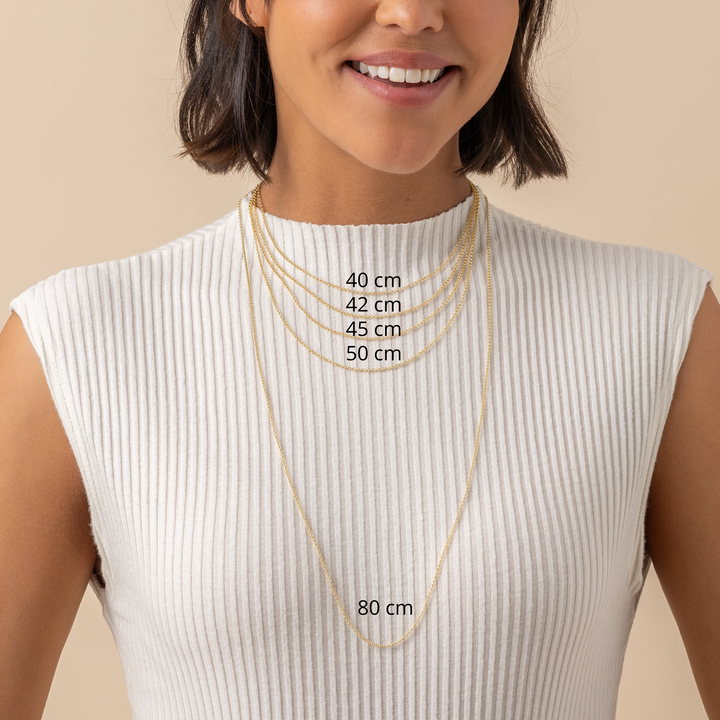
925 sterling silver, 35 mm pendant, 45 cm chain with a 5 cm extender. Nickel-free and hypoallergenic. Ships free worldwide via DHL Express in 1-5 business days, with all import duties and taxes covered. 30-day “Love It or Return It” returns.
Is this available in gold?
Yes. The same 35 mm beta sheet pendant is available in 18K gold vermeil at the same size and chain length.
Cellular Biology
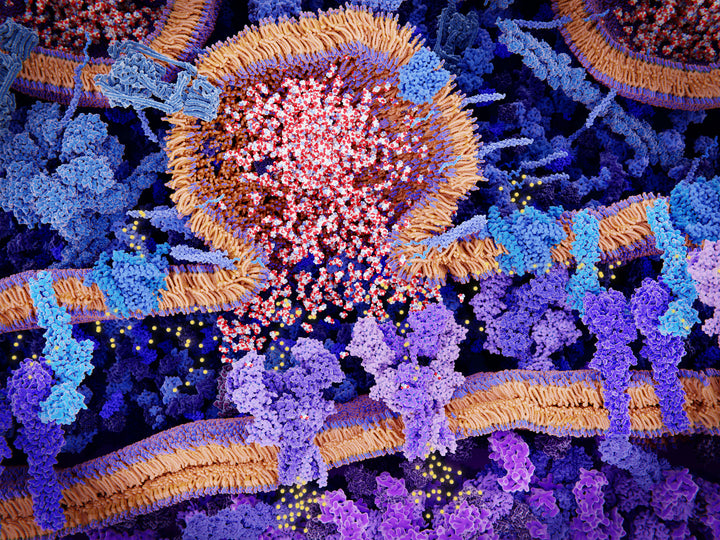
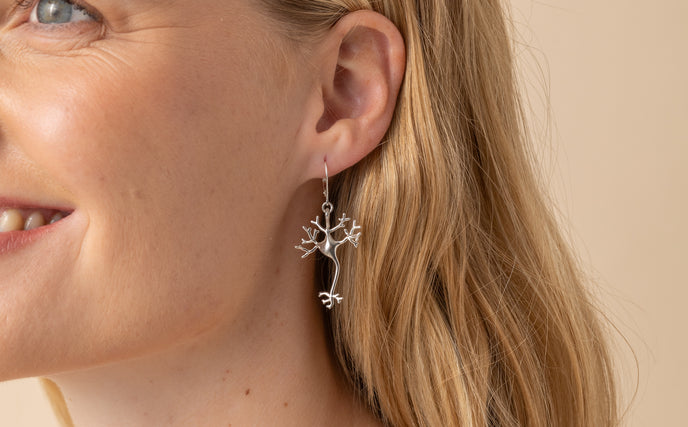
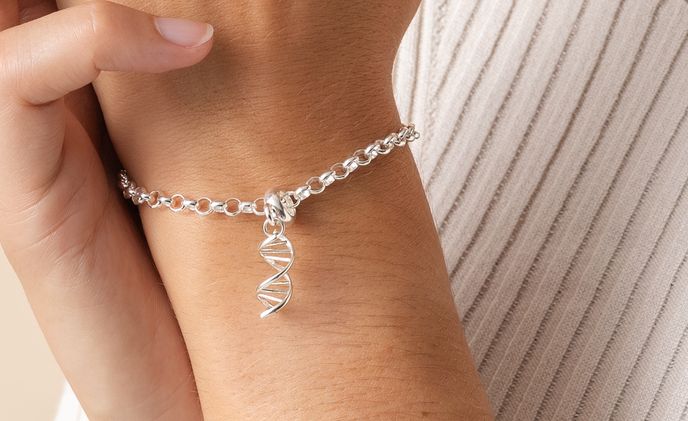
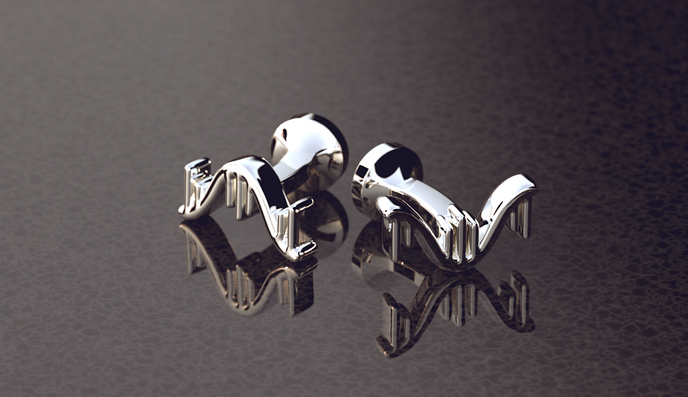
Step into the fascinating world of cellular biology through our unique jewelry designs. These pieces serve as wearable reflections of life's microscopic wonders, capturing the aesthetics of DNA strands, cellular formations, and more. Far from simple adornments, they spark dialogue and honor the captivating complexities found within biological research. Merging scientific accuracy with artistic flair, each creation offers a tactile experience that bridges the gap between scientific inquiry and aesthetic appreciation.
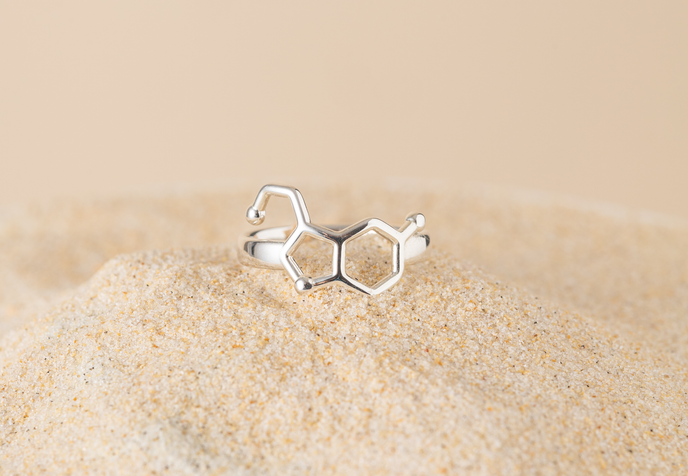
Find your perfect fit: measure an Existing Ring
Finding out your ring size at home is a simple process and can help you shop for jewelry online with confidence.
Necklace length guide